
Introduction
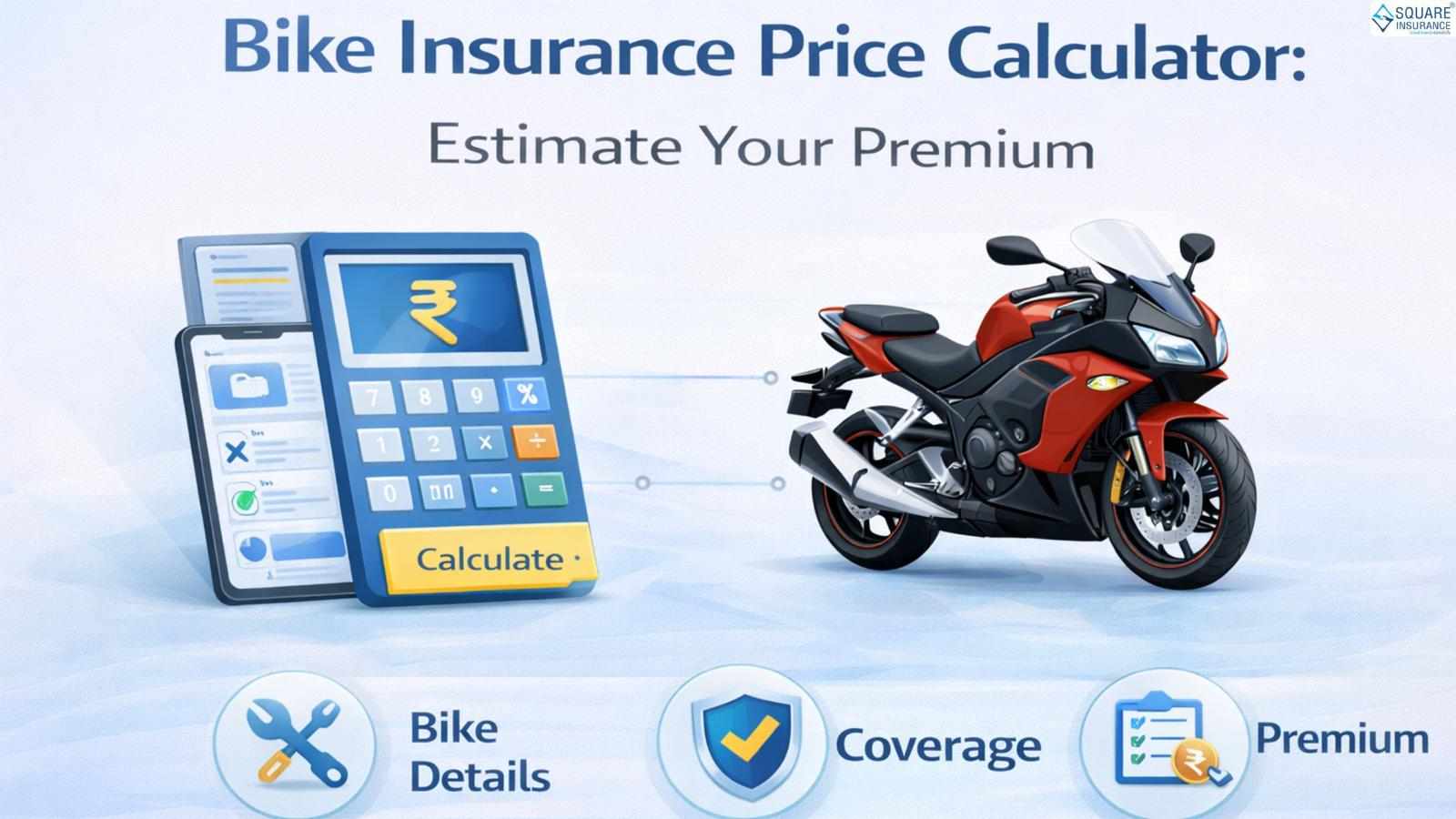
The cost of owning a bike is not just about fuel and maintenance anymore—insurance pricing is becoming a key factor for every rider in India. With changing regulations, rising risks, and digital transformation, insurance premiums are evolving faster than ever before. bike insurance price is expected to see noticeable changes in 2026, influenced by technology, claim patterns, and customer behavior across urban and rural markets.
Understanding these trends can help you make better financial decisions and avoid overpaying while still getting the right protection.
Why Bike Insurance Prices Are Changing in 2026
The insurance industry is constantly adapting to new risks and data insights. In 2026, several factors are driving price shifts in bike insurance policies.
One major reason is the increase in road accidents and claim ratios. Insurers adjust premiums based on how frequently claims are filed and how costly they are. Higher claim frequency usually leads to higher premiums.
Another key factor is inflation. The cost of repairing bikes, spare parts, and labor charges has increased, which directly impacts insurance pricing.
Additionally, regulatory updates by authorities are reshaping how premiums are calculated, especially for third-party insurance, which is mandatory in India.
Key Factors Affecting Bike Insurance Price in 2026
1. Type of Policy
Third-party insurance is generally cheaper because it only covers damages to others. Comprehensive insurance, on the other hand, provides wider protection, including your own vehicle, which increases the premium.
2. Bike Engine Capacity
Higher CC bikes usually attract higher premiums because they are considered riskier and more expensive to repair.
3. Location
Urban areas with heavy traffic and higher accident rates tend to have higher insurance costs compared to smaller towns.
4. Rider Profile
Age, riding experience, and claim history also influence pricing. A rider with no claim history often gets better rates.
5. Add-On Covers
Optional add-ons like zero depreciation, engine protection, and roadside assistance increase the overall premium but also enhance coverage.
Expected Price Trends in 2026
Increase in Comprehensive Policy Costs
Comprehensive plans are expected to become slightly more expensive due to rising repair costs and demand for better coverage.
Stable Third-Party Premiums
Third-party insurance rates are usually regulated, so they may remain stable or see minor adjustments.
Discounts Through Digital Platforms
Online insurance providers are offering competitive pricing, discounts, and faster policy issuance, making digital purchase a popular trend.
Usage-Based Insurance Growth
A new trend in 2026 is pay-as-you-drive insurance. Riders who use their bikes less can benefit from lower premiums.
Impact of Technology on Pricing
Technology is playing a major role in reshaping insurance costs. Insurers are now using data analytics, telematics, and AI to assess risk more accurately.
For example, some companies track riding behavior such as speed, braking habits, and distance traveled. Safe riders may receive lower premiums as a reward.
This shift means insurance pricing is becoming more personalized rather than fixed.
How to Save on Bike Insurance in 2026
Compare Before Buying
Always compare different policies online to find the best deal. Prices can vary significantly between insurers.
Choose Only Necessary Add-Ons
Avoid adding unnecessary covers. Select add-ons based on your actual needs and riding conditions.
Maintain a No Claim Bonus (NCB)
Avoid making small claims. A higher NCB can reduce your premium significantly over time.
Renew on Time
Late renewals can lead to penalties and loss of accumulated benefits.
Install Safety Devices
Anti-theft devices and safety features like ABS can sometimes help reduce premiums.
Common Mistakes to Avoid
Many bike owners end up paying more than required due to simple mistakes. One common error is blindly renewing the same policy without comparing alternatives.
Another mistake is underinsuring the bike to save money, which can lead to financial loss during claims.
Ignoring policy terms and conditions can also result in claim rejections, making the insurance ineffective.
Future Outlook for Bike Insurance Pricing
Looking ahead, bike insurance pricing will become more flexible and customer-focused. Personalized plans, AI-driven pricing, and digital claim processing will dominate the market.
Electric bikes are also entering the market rapidly, and their insurance pricing models will further influence overall trends.
The focus will shift from just pricing to value—how much protection you get for the premium you pay.
Conclusion
Bike insurance price trends in 2026 clearly show a shift towards smarter, data-driven, and customer-centric pricing. While premiums may rise slightly due to inflation and increased risks, riders also have more opportunities to save through digital platforms and personalized plans.
Making informed choices, comparing policies, and understanding your actual needs can help you get the best value for your money. For those looking for reliable coverage options with competitive pricing, Square Insurance can be a practical choice to explore for securing your bike and financial peace of mind.







Write a comment ...